
What Makes Native-Made Smokes More Affordable Than Store-Bought Brands
Cheap Native Cigarettes Canada: Premium Quality at Unbeatable Prices
Looking for an affordable smoke without sacrificing quality? Cheap native cigarettes Canada offers a straightforward way to buy tax-reduced tobacco products directly from Indigenous retailers. You simply browse their online inventory, pick your preferred brand, and have the cartons shipped right to your door—no complicated steps or hidden costs. It’s a practical choice for budget-conscious smokers who want reliable, familiar flavour at a fraction of store prices.
What Makes Native-Made Smokes More Affordable Than Store-Bought Brands
Native-made smokes in Canada cost less mainly because they skip federal and provincial tobacco taxes, which often double the price of store-bought packs. These brands are produced on reserve land, so they’re not subject to the same excise duties, and the savings get passed straight to you. There’s also less overhead—no flashy marketing, minimal packaging, and direct distribution through local shops or online sellers. That’s why a carton might run you $30–$50 instead of $150+. Q: Are they the same quality? A: They’re usually full-strength tobacco, but the blend and cut can differ, so it’s worth trying a few to see what you like. For budget smokers, the price gap alone makes them the go-to choice.
How Traditional Manufacturing Methods Cut Production Costs
Traditional manufacturing methods slash costs by eliminating the automation, conveyor systems, and high-wage assembly lines that dominate commercial cigarette production. On native territories, producers often rely on hand-rolled techniques or simpler, semi-automatic machinery that requires less energy and far fewer specialized operators. This lowers overhead dramatically, as does the use of locally sourced, unprocessed tobacco leaf that skips expensive curing and chemical-additive stages. Fewer quality-control checkpoints and minimal packaging frills also reduce per-unit expenses. The result is a leaner production cycle where hand-rolling and small-batch processing directly cut production costs—savings passed to the buyer. Because there’s no costly brand marketing or shareholder margin baked into the price, every step stays focused on function, not flash. That’s why the price tag stays low without sacrificing usability.
**Q: How does traditional manufacturing keep costs down?**
A: By using manual labor and low-tech tools, it avoids the huge capital investment and repair bills of industrial machines, plus cuts energy consumption and labor training costs drastically.
Why Bulk Purchasing Direct From the Source Lowers the Price Per Pack
Buying cheap native cigarettes Canada in bulk directly from the source cuts out every intermediary—distributors, wholesalers, and retail markups—so each pack’s base cost reflects only production and minimal transport. When you order by the carton or case, the producer spreads fixed expenses like rolling, packaging, and labor across more units, which mathematically drives down the per-pack figure. The direct-from-source bulk discount also eliminates retail shelf-space fees and provincial inventory taxes, which stores embed in single-pack prices. Because the manufacturer sets one flat rate for volume, your cost per pack drops proportionally with quantity, making a case purchase significantly cheaper than buying ten individual packs at a shop.
Comparing the Price Gap Between Reservation Brands and Mainstream Cigarettes
When comparing the price gap between reservation brands and mainstream cigarettes, the difference is not marginal—it’s structural. A carton of mainstream cigarettes in Canada often costs between $140 and $180, while native-made brands from reserves typically range from $30 to $60 for the same volume. That gap of roughly 60–75% stems from the absence of federal and provincial excise taxes on reserve sales, plus lower production overhead. For a heavy smoker consuming a carton weekly, the annual savings can exceed $4,000. This makes reservation cigarette pricing a decisive factor for budget-conscious buyers, who often treat the price gap as the primary metric when choosing between options. The trade-off, however, is availability—mainstream brands are everywhere, while reserve brands require a trip to a smoke shop or delivery service, which some users factor into the total cost.
Q: Is the price gap between reservation brands and mainstream cigarettes consistent across all provinces?
A: No—the gap widens in provinces with higher tobacco taxes, like Ontario or Quebec, where mainstream prices spike, while reserve prices stay relatively flat. That variability makes the comparison highly location-specific.
How to Identify Quality When Shopping for Discount Tobacco Products

When shopping for cheap native cigarettes Canada, first inspect the pouch or carton for uniform moisture—quality tobacco should feel slightly springy, not crumbly or damp. Look for whole, unbroken leaf strands rather than excessive dust or stems, which indicate filler-heavy blends. Check the seal and packaging integrity; a tight, intact wrap preserves freshness and aroma, while loose or torn boxes signal age or mishandling. Smell before buying—a clean, earthy, slightly sweet note is ideal, whereas a sour or chemical scent warns of poor curing or additives. Compare the burn rate of a sample cigarette; quality tobacco burns slowly and evenly, producing gray-white ash that holds its shape. Examine the cut for consistency, as uneven shreds often mean cheaper processing. Sometimes the best value lies in a less-known brand that prioritizes leaf quality over flashy marketing. Finally, trust your palate—harshness or a bitter aftertaste rarely improves with price.
Key Signs of Fresh, Properly Cured Tobacco Leaves

When evaluating cheap native cigarettes Canada, freshness and proper curing show first in leaf flexibility. A correctly cured tobacco leaf bends without snapping, feeling supple and slightly leathery, never brittle or dusty. The color should be uniform—deep golden brown or rich mahogany—without green patches, which signal rushed curing. Squeeze the pouch: properly cured leaves produce a faint, sweet hay-like aroma, free of ammonia or musty sourness. The grain (fine vein texture) should be intact, not crumbling. If the tobacco feels sticky or overly wet, curing failed; if it crackles like paper, it is over-dried and will burn harshly.
Fresh, properly cured leaves feel supple, smell sweetly hay-like, show uniform color, and lack green spots or brittleness—your reliable signs for quality in budget native blends.

What the Packaging Should Tell You About the Product’s Origin
When evaluating cheap native cigarettes Canada, the packaging is your primary origin audit. A legitimate product will state a specific First Nation reserve (e.g., “Produced on Reserve Name, Ontario”) and often include a band council license number. Check for a physical address, not just a PO box, and a lot code that traces to a specific production date. Avoid any pack lacking bilingual health warnings or using generic “Native Blend” without a community name. Also, verify the tax stamp—genuine reserve brands carry a distinctive band or holographic mark absent on counterfeit goods. If the carton lists a distributor in a non-reserve city, question its authenticity. The label must clearly link the product to a recognized indigenous territory.
- Look for the explicit reserve name and band license number.
- Confirm a full physical address and traceable lot code.
- Check for the reserve-specific tax stamp or hologram.
- Reject packs with vague origin terms like “Canadian Blend” only.
Reading the Filter and Paper Quality Before You Buy
Before you commit to a carton of cheap native cigarettes Canada, run your fingers over the filter and give the paper a sharp look. A quality filter should feel firm, not spongy, and resist collapsing under light pressure, which signals proper density and filtration. Wrinkled, loose, or oddly soft filters often indicate rushed manufacturing. Inspect the paper’s texture, too—it should be uniformly thin, with a consistent burn line and no noticeable speckling or rough patches. Cheap options with flimsy paper can burn unevenly, hitting your throat with harsh, unpredictable smoke. Hold the cigarette up to light; gaps or clumping in the tobacco column are red flags. Reading the filter and paper quality before you buy separates a smooth, satisfying smoke from a waste of money. Trust your touch and eyes over the price tag alone.
Check filter firmness and paper consistency carefully—these physical cues reveal the true craftsmanship of cheap native cigarettes Canada before you purchase.
Where to Find Low-Cost Native Cigarettes Without Getting Scammed
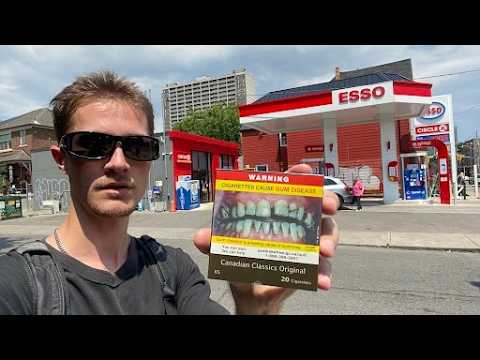
To score cheap native cigarettes Canada without getting burned, skip random social media ads and stick to established smoke shops near reserves—they’re your safest bet for genuine products. Ask locals or check online forums for references to specific stores with solid reputations, then compare a couple of prices before committing. Always insist on sealed cartons and verify the brand matches what you paid for, since counterfeit blends often slip in at “too-good” deals. If a price feels unrealistically low, it’s usually a red flag for low-quality filler or a scam. For the best low-cost native cigarettes, buy directly from a reserve’s physical storefront, not delivery services that demand e-transfers upfront. Finally, trust your gut and walk away from any Native cigarette brands Canada seller who won’t let you inspect the product—that alone filters out most ripoffs.
Buying Directly From a Reserve vs. Using Online Delivery Services
When hunting for cheap native cigarettes Canada, buying directly from a reserve often means negotiating face-to-face and verifying stock before handing over cash, which slashes scam risk. Online delivery services, however, offer convenience and bulk discounts, but you must check reviews and request live photos of the product before paying. Direct reserve purchases eliminate shipping delays and let you spot counterfeit cartons instantly. Yet, if you live far from a reserve, delivery fees can eat your savings—always compare per-carton totals. Some reserve-run delivery sites are legitimate, but impersonators flourish, so cross-reference the website’s phone number with the band office. Split your approach: test a small online order first, then commit to a reserve run for your staple brand.
Questions to Ask a Supplier Before Placing Your First Order
Before committing funds, ask the supplier for a **certificate of authenticity for bulk lots**, ensuring the product matches the native brand’s origin. Verify minimum order thresholds and whether payment terms protect you against non-delivery—never wire to an unverified account. Request a sample batch to compare burn consistency, moisture, and packaging seals against known retail packs. Confirm their shipping method offers tracking for cross-border orders, as lost parcels are common scam red flags. Finally, ask if they offer replacement guarantees for damaged cartons, since low-cost native cigarettes often face rough transit. *Q: “Are there hidden handling fees for orders under five cartons?”* A: Legitimate suppliers disclose all costs upfront; vague answers signal caution.
How to Verify You’re Getting a Fair Price Per Carton
To verify a fair price per carton for cheap native cigarettes Canada, start by comparing cost-per-cigarette across three suppliers, not just the carton total—a $40 carton with 200 smokes beats a $35 one with 160. Cross-check the quoted per-carton rate against the current “native reserve” baseline by asking sellers for a breakdown; if they hesitate, that’s a red flag. **Always confirm the carton’s weight and seal integrity**—counterfeit products are often lighter or poorly wrapped, justifying a lower price but not a fair one. Benchmark your final per-carton number against two independent online price lists before committing.
- Divide the carton price by the exact cigarette count to get a true per-stick rate
- Request a price match from a second seller using your calculated figure
- Check if volume discounts apply only to sealed, unbroken cartons—otherwise, the price isn’t fair
- Use a quick local price-check on social media groups for real-time per-carton comparisons
Step-by-Step Guide to Placing Your First Order for Budget Smokes
To place your first order for cheap native cigarettes Canada on Budget Smokes, start by browsing the brand list—look for flags like Seneca or Signal for solid value. Add your cart, then head to checkout and pick your province to confirm delivery eligibility. Next, choose a payment method; most orders use Interac e-Transfer for discretion. After paying, double-check your email for the order confirmation and tracking number within 24 hours. Finally, note that shipping to remote areas may take a few extra days, so plan ahead. That’s it—your budget smokes are on the way without any membership hoops.
Choosing the Right Brand Strength and Blend for Your Taste
When selecting from inexpensive native brands, start by matching the strength to your current consumption. Full-flavor blends suit heavy smokers, while light or mild options reduce throat hit without sacrificing taste. For your first order, choose one classic full-flavor pack and one smooth or menthol variant to compare. Native blends often use distinct tobacco curing, so a “regular” strength may feel bolder than commercial equivalents. Focus on **choosing a blend profile**—Virginia-forward offers sweetness, while burley-heavy gives earthy depth. Rotate your initial picks across these profiles to identify what aligns with your palate, then commit to a carton of the winner.
Pick two contrasting strengths and blend styles for your first order, then reorder based on which aligns with your taste preferences.
Calculating Shipping Costs and Delivery Times to Your Province
When placing your first order for cheap native cigarettes Canada, calculating shipping costs and delivery times to your province requires checking the retailer’s checkout calculator before finalizing payment. Most native smoke shops display a flat-rate or weight-based fee at cart stage, often varying by province—for example, Ontario and Quebec typically see $15–$25 courier costs, while British Columbia or the Maritimes may incur $30–$45 due to longer routes. Delivery windows also differ: expedited parcels reach central provinces in 2–4 business days, whereas remote or northern regions can take 7–12. Accurate province-specific shipping estimates prevent surprise duties and ensure you select the right carrier. Some retailers offer free shipping only on orders exceeding 10 cartons, so compare thresholds before checkout.

What Payment Methods Are Commonly Accepted and How Safe They Are
Most online vendors of cheap native cigarettes Canada accept **secure payment methods** like Interac e-Transfer, credit cards (Visa/Mastercard), and sometimes prepaid cards or e-wallets such as PayPal. Interac e-Transfer is the most common because it avoids chargeback risks for sellers, but it offers buyers no purchase protection if the order never arrives. Credit cards are safer for consumers due to fraud reversal options, yet some sites restrict them due to processor policies. Always verify the checkout page uses HTTPS and avoid sharing card details over email or unencrypted forms. Prepaid cards add a layer of anonymity but limit recourse. For maximum safety, use a dedicated card with a low balance or a virtual card number.
Common payments are Interac, credit cards, and prepaid cards; Interac is widely used but less protected, while credit cards offer the strongest buyer safeguards.
Practical Tips for Storing and Handling Your Discount Cigarette Supply
For your discount cigarette supply from native Canada, prioritize a cool, dry storage space—moisture is the fastest way to ruin the tobacco’s burn. Keep cartons in sealed airtight containers or heavy-duty zip bags, pressing out all air before sealing. Avoid freezing temperatures, as they cause brittle paper and cracked filters. Always store boxes flat, never on their side, to prevent tobacco shifting. Before handling a fresh carton, let it acclimate to room temperature for 30 minutes if it was transported in winter. Rotate your stock, placing newer purchases at the back, so you always smoke older units first. For daily carry, use a hard case, not your pocket—body heat accelerates drying and alters the flavor. This simple discipline keeps every cheap native cigarette tasting fresh and burning evenly, saving you from wasted product.
Keeping Cartons Fresh for Months With Proper Humidity Control
To keep your discount cigarette cartons from Canada fresh for months, humidity control is your best defense against stale, brittle tobacco. Store unopened cartons inside a sealed plastic tote with a 62% RH Boveda pack, which prevents the Canadian climate’s dry winter air or humid summer heat from degrading the blend. For opened packs, transfer them into a glass jar with a small humidity bead sachet—avoid over-saturating, as excess moisture encourages mold. Check the hygrometer monthly; if levels swing above 70% or below 55%, replace the pack. Rotate stock quarterly so older cartons smoke first, while newer ones stay protected.
How Many Packs to Buy at Once to Maximize Savings Without Waste
To maximize savings without waste when buying cheap native cigarettes in Canada, calculate your personal burn rate first: if you smoke one pack every two days, a two-week supply—roughly seven packs—balances bulk pricing against staleness. Buying more than a month’s worth, say thirty packs, often triggers deeper per-pack discounts, but only if you store them properly in a cool, dry container; otherwise, tobacco dries out and loses flavor, erasing the financial gain. The optimal purchase threshold is roughly 10–14 packs, which typically secures a meaningful price break while keeping inventory manageable. However, this sweet spot shifts if you occasionally smoke less due to travel or illness, so adjust downward rather than overstocking. Always match pack count to a realistic consumption window, not just the lowest unit price.
What to Do If Your Smokes Arrive Dry or Damaged
If your cheap native cigarettes Canada order arrives dry, place the packs in a sealed container with a damp paper towel for 24–48 hours to restore moisture without soaking the tobacco. For damaged packs, remove intact cigarettes and transfer them to an airtight jar; crush broken ones for rolling. Inspect every pack immediately upon delivery to document issues, then photograph the damage and contact the seller within 48 hours—many native retailers offer replacements or store credit. Do not microwave or oven-dry cigarettes, as heat ruins the blend’s texture and burn rate. If the product is unsalvageable, request a refund per the vendor’s policy, and adjust your next order to a smaller quantity to avoid repeat waste.
Check arrival condition, rehydrate dry smokes gently, photograph damage, and request a replacement or refund promptly to minimize loss from your discount supply.